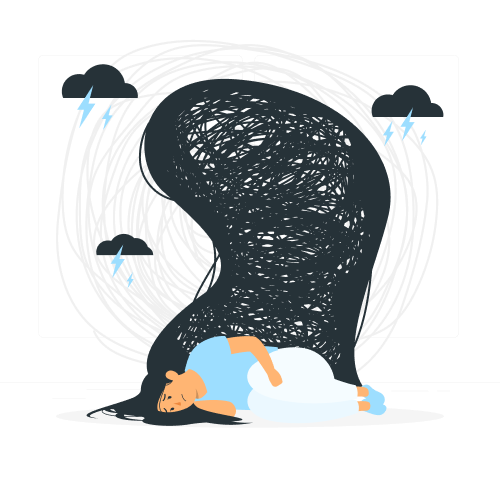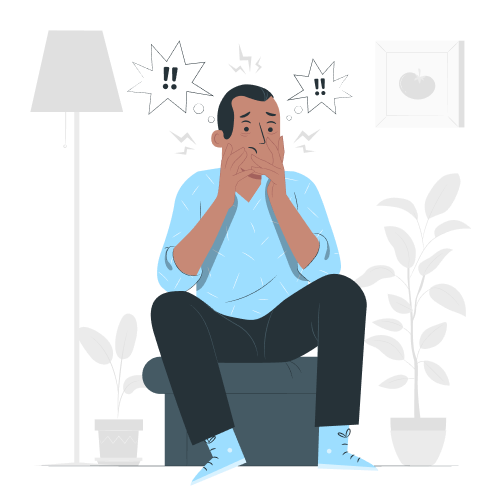
Obsessive-Compulsive Disorder (OCD) is often misunderstood as simply involving repetitive behaviors like handwashing or checking, but its reach goes much deeper. One lesser-known and frequently overlooked form is Pure Obsessional OCD, commonly referred to as Pure O. While it may not always involve visible compulsions, the internal struggle can be just as intense—if not more. Individuals with Pure O experience persistent, unwanted thoughts (obsessions) that are often disturbing, intrusive, or taboo in nature. These thoughts can create immense distress, leading to invisible mental rituals or rumination aimed at neutralizing or “proving wrong” the obsession. Pure O is not about someone wanting to act on these thoughts; rather, it’s the fear of what the thoughts might mean about them. This fear can create a cycle of obsessive doubt and mental checking. As a counsellor, my goal is to create a non-judgmental, informed space where clients can understand these thoughts for what they are—just thoughts—and begin to loosen their grip on the mind.
Framework Understanding
A helpful way to understand OCD, including Pure O, is through the obsession-compulsion cycle. First, an intrusive thought appears—something unwanted, distressing, or out of character. This is the obsession. The mind then reacts with anxiety, which prompts the person to engage in a compulsion—a behavior or mental act done to reduce the anxiety or gain certainty. In Pure O, the compulsions are often covert: analyzing, reassurance-seeking, reviewing past events, or silently “testing” oneself. These mental rituals offer temporary relief but ultimately reinforce the cycle, making the obsession feel more real. Over time, this loop can erode a person’s sense of peace and self-trust. Common themes in Pure O include fears related to harm, contamination, relationships, sexual orientation, morality, or religion—each uniquely distressing to the individual experiencing it. But the thoughts themselves are not dangerous; it’s the meaning assigned to them and the fear-driven responses that keep the cycle alive. In counselling, I help clients begin to observe their thoughts through a more flexible lens. Using tools from Acceptance and Commitment Therapy (ACT), Cognitive Behavioural Therapy (CBT), and Exposure and Response Prevention (ERP), we work together to change the relationship to the obsession—not by fighting it, but by learning to accept uncertainty and build resilience in the presence of discomfort. Healing begins not when the thoughts go away, but when they no longer control your life.